EICR Explained: What Business Owners Need to Know
Electrical safety is a vital responsibility for every business owner. Faulty electrical systems can lead to downtime, damaged equipment, fire risks and serious safety concerns. An Electrical Installation Condition Report (EICR) helps businesses identify potential problems before they become dangerous or disruptive.
Whether you manage offices, retail spaces, warehouses, or other commercial buildings, understanding how EICR testing works can help you meet legal obligations and maintain safe working environments.
What Is an EICR?
An Electrical Installation Condition Report EICR is an inspection that assesses the condition of a property’s electrical systems. It checks whether electrical installations are safe and identifies any issues that may require attention.
The inspection covers areas including
- Electrical wiring
- Consumer units and distribution boards
- Sockets and switches
- Lighting systems
- Earthing and bonding
- Fixed electrical installations
Why Is EICR Testing Important?
Electrical systems naturally deteriorate over time, especially in busy commercial properties where equipment and electrical loads are used daily. Without regular inspections, hidden issues can develop into serious hazards.
Carrying out an EICR helps businesses:
- Improve electrical safety
- Identify electrical faults early
- Reduce the risk of electrical fires
- Minimise downtime and disruption
- Ensure electrical installations are safe
- Maintain compliance with safety standards
Regular inspections also provide peace of mind that systems are operating correctly and safely.
Is an EICR a Legal Requirement?
For many businesses, an EICR is a legal requirement under the Electricity at Work Regulations and the Work Regulations 1989. These regulations require employers and duty holders to ensure electrical systems are maintained in a safe condition.
In commercial buildings, failing to keep electrical systems safe could lead to accidents, business disruption or enforcement action. An up-to-date installation condition report EICR demonstrates that reasonable steps have been taken to maintain safety.
What Happens During an EICR?
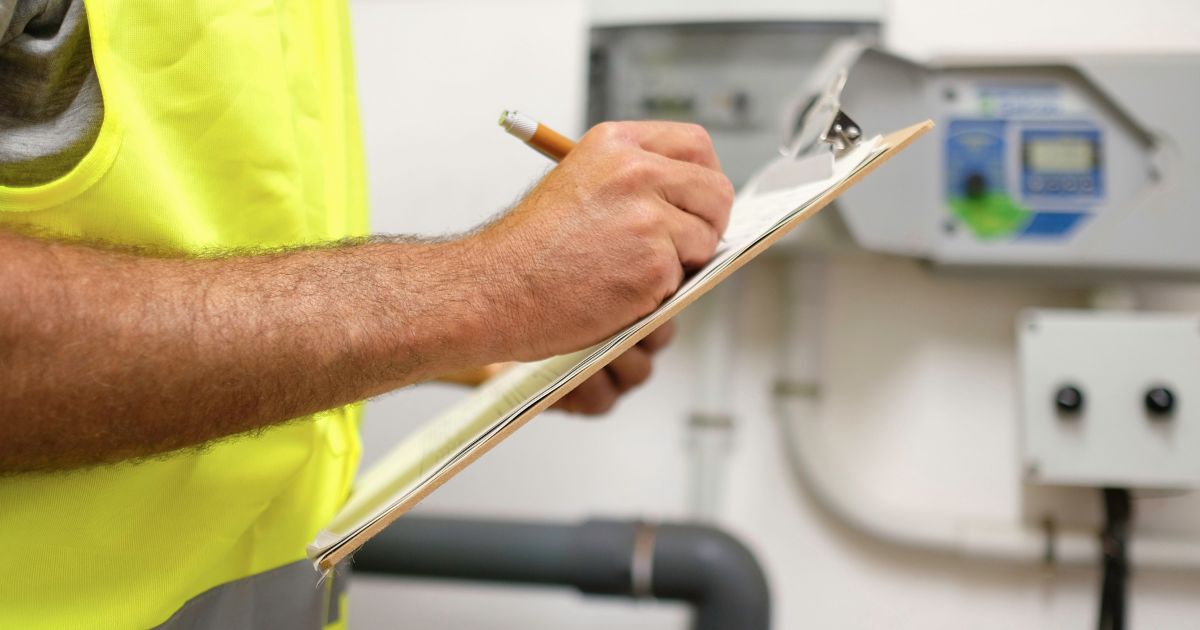
When carrying out an EICR, a qualified electrician will inspect and test the fixed electrical installation throughout the property. This includes checking whether circuits, wiring and electrical components meet current safety standards.
The report will then classify any issues found. These may include:
- Damage or deterioration
- Overloaded circuits
- Faulty electrical wiring
- Lack of proper earthing or bonding
- Potential fire or shock risks
If problems are identified, remedial work may be recommended to bring the installation up to standard.
The Importance of Remedial Work
If an EICR identifies potentially dangerous issues, remedial work should be completed as soon as possible. Ignoring electrical faults can increase the risk of fire, electric shock, equipment damage and costly downtime.
Prompt repairs help ensure compliance, maintain safe working conditions and protect both employees and visitors.
Conclusion
An Electrical Installation Condition Report is an essential part of maintaining electrical safety in commercial buildings. EICR testing helps identify electrical faults, supports compliance with legal obligations and confirms that electrical installations are safe for continued use.
For business owners, regular inspections provide peace of mind that their electrical systems meet modern safety standards and reduce the risk of disruption or hazards. By carrying out an EICR and completing any required remedial work, businesses can create safer environments for staff, customers and visitors.
J Kirby Electrical supports businesses with professional EICR testing and electrical compliance services, helping commercial properties remain safe, compliant and reliable. Get in touch with us today to find out more.
.jpg)
.jpg)
.jpg)