Are Smart Home Upgrades Worth It?
From voice-controlled lights to heating that you can turn on from your phone, technology is becoming a core part of modern homes and it's changing the way people live. While these upgrades can make everyday life that little bit easier, they also come with a few drawbacks that are worth looking into before turning your home into a smart home.
Whether they are worth it depends completely on how you run your household, your budget and your priorities. In today's blog we'll outline the different smart home upgrades on offer and whether they're worth it.
What Are Smart Home Upgrades?
Smart home upgrades are devices installed throughout your home that can be controlled remotely or automatically. They can make everyday life easier by taking your routines into account and assisting with daily tasks.
Most smart home devices connect and operate through Wi-Fi, meaning they can easily be controlled through smartphones and other digital devices. In many cases, you can connect different devices to each other so that they can work together, creating a more seamlessly connected home.
Popular Smart Home Upgrades to Consider
There are many different upgrades available in today's modern world but some are more popular than others.
- Smart Lighting - These allow your home's lights to be controlled remotely using an app, voice assistant or automated schedules. From bulbs to smart plugs, there's plenty of options to choose from. Whether you want to change the colours of your lights or set up a schedule for security reasons, these upgrades are simple and effective.
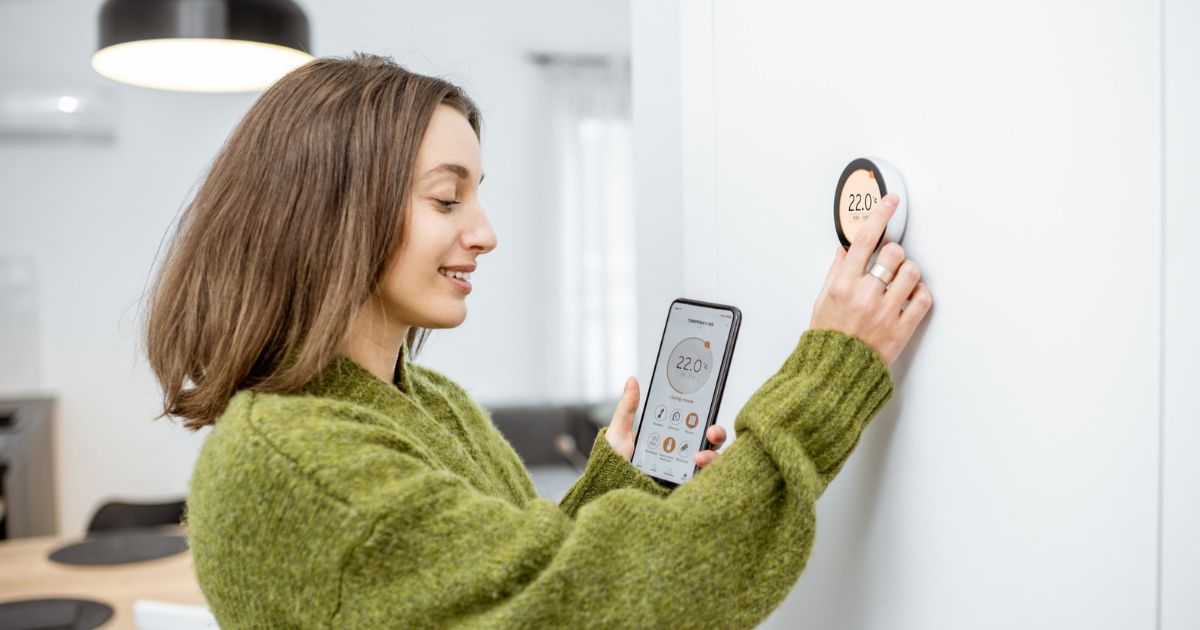
- Smart Thermostats - Control your heating and hot water from wherever you are. Using your smartphone or tablet, you can connect to your thermostat through Wi-Fi and have your heating timed for the moment you step through the door.
- Smart Security Systems - Monitor your home remotely with smart cameras, video doorbells and motion sensors. You can watch live feeds, record movements and receive alerts when something isn't right for that extra peace of mind.
- Smart Locks - Can't remember if you locked the door this morning? Smart locks allow you to check whether certain doors are locked, provide temporary access without handing over keys and lock or unlock doors all from your smartphone or tablet.
- Smart Appliances - Home appliances like smart fridges or washing machines can offer remote controls, service alerts and useful notifications.
The Benefits of Upgrading to a Smart Home
These upgrades offer a range of helpful benefits, including:
- Greater Convenience - Control everything from one device, even when you're not home.
- Potential Energy Savings - Controlling different zones around the house with smart lighting and smart thermostats can help you manage energy consumption.
- Improved Home Security - Check on your home from wherever you are and protect your property through connected devices.
- More Control - Everyday tasks become automated and can be adjusted to how you live.
The biggest advantage is being able to tailor these systems to your lifestyle. You can start with a single upgrade and gradually introduce more technology as your needs change.
The Disadvantages: What Should Homeowners Consider?
Smart home upgrades make your life easier, but there are a few things to consider before you start investing.
- Initial Costs - Individual devices, although don't always come with a big price tag, can add up over time. Professional installation can also be costly.
- Reliance on Wi-Fi - Many devices depend on a stable internet connection and connectivity can affect how well certain features work.
- Privacy and Security Concerns - Connected devices can collect personal information so it's important to choose reputable brands that you can trust.
- Compatibility Issues - Not all devices can connect together, so you need to ensure that the products you're buying are actually compatible.
- Ongoing Maintenance - Due to their technology, many devices require software updates, battery replacements or additional subscriptions in order to keep using the equipment.
These drawbacks don't necessarily mean smart home technology isn't worthwhile, but they highlight the importance of choosing products carefully rather than investing in every new feature.
Are They Worth the Investment?
Depending on your budget and how you use your home, smart home upgrades may be exactly what you need.
If reducing energy consumption is important, smart thermostats, lighting and energy monitoring systems could be a good starting point. They give you greater control over how and when energy is used, helping you identify opportunities to reduce waste.
If home security is your main concern, smart cameras, video doorbells and locks may offer more value. Meanwhile, homeowners who want greater convenience might benefit from automated lighting, connected appliances and other smart systems.
You don't need to upgrade everything at once. Starting with one or two features that solve a particular problem can be a more affordable way to explore the benefits.
Explore Smart Home Upgrades with J.Kirby Electrical
Smart home technology doesn't have to be complicated. With the right advice and installation, you can introduce practical upgrades that make your home more convenient, secure and energy efficient.
At J.Kirby Electrical, we can help you explore smart home upgrades and find solutions that suit your property and requirements. If you're thinking about upgrading your home, get in touch with us to discuss your options.